What to Love About florida:
A Guide for First-Time Visitors
They call Florida the "Sunshine State" for a reason.
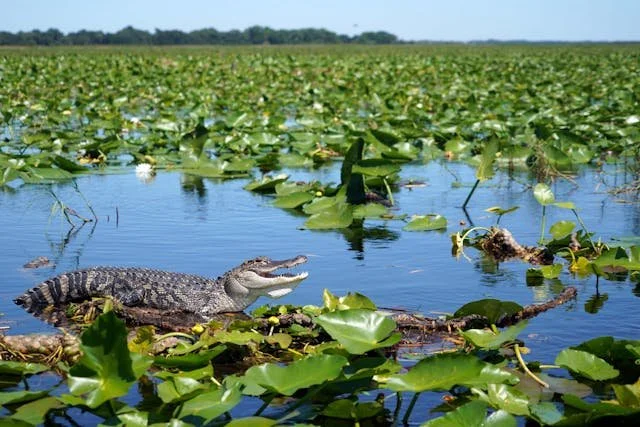
That nickname barely scratches the surface. Yes, Florida averages more than 230 sunny days a year — but what the postcard version of Florida leaves out is everything that makes the state genuinely, stubbornly extraordinary: the ancient springs that glow electric blue in the middle of the wilderness, the culinary traditions rooted in Cuba and Haiti and the Bahamas, the roadside fish shacks that have outlasted every hurricane and every trend, the alligators sunning themselves in suburban retention ponds with the calm authority of creatures who were here long before anyone built a subdivision around them.
I grew up in Florida. Not the Florida of theme parks and spring break, though those exist and have their charms. The Florida I know is wilder and stranger and more layered than its reputation suggests. It's a state that rewards curiosity and punishes assumptions. I want to share the version of Florida I grew up with — the one that keeps drawing me back — and give you a real sense of what to expect when you visit.
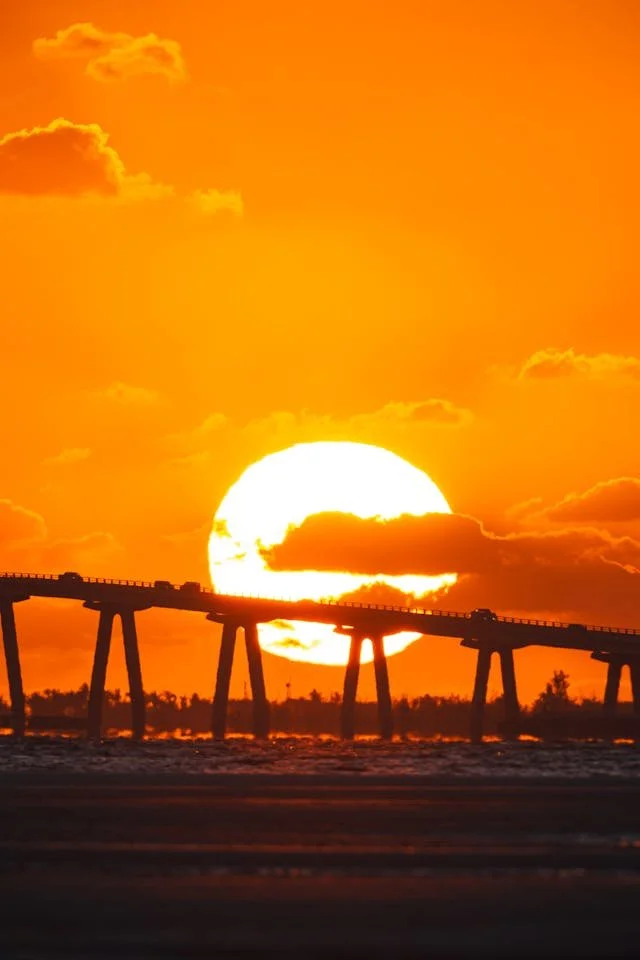
Natural Beauty
Florida's most defining landscapes are not the beaches, though the beaches are genuinely spectacular. They are the ecosystems that most visitors never see.
The Everglades is the largest subtropical wilderness in the United States — a slow-moving, 60-mile-wide river of grass that flows southward from Lake Okeechobee to Florida Bay. It is the only place on Earth where alligators and American crocodiles coexist in the wild. Everglades National Park spans 1.5 million acres and offers everything from airboat tours to backcountry kayaking through its mangrove tunnels. The park's Pa-hay-okee Overlook offers one of the most quietly stunning panoramas in the country — an endless expanse of sawgrass that looks, especially at dusk, like the ocean itself has gone still.
But some of Florida's most remarkable natural features sit in the interior of the state, hidden in plain sight. The Florida Springs — more than 700 of them, the largest concentration of freshwater springs on the planet — feed rivers so clear and so perfectly constant in temperature (72 degrees Fahrenheit year-round) that they feel less like nature and more like a dream. Ginnie Springs, Ichetucknee Springs State Park, and Silver Springs are among the most celebrated. At Ichetucknee, you can tube down the river in silence through a cathedral of cypress and Spanish moss, passing turtles on logs and great blue herons in the shallows.
The Florida Panhandle — the stretch of coastline running along the Gulf of Mexico from Pensacola to Panama City — offers some of the whitest, finest-grained sand beaches in the world. The sand is made of quartz crystal washed down from the Appalachian Mountains over millennia, and it stays remarkably cool even in the summer heat. Grayton Beach State Park and Henderson Beach State Park in Destin are beloved by those who know them.
On the Atlantic side, Canaveral National Seashore — directly adjacent to Kennedy Space Center — offers 24 undeveloped miles of coastline where loggerhead sea turtles nest each summer, and where, if you time your visit right, you can watch a rocket launch from the beach with the ocean at your back.
One big tip: If you want the single most otherworldly natural experience Florida has to offer, rent a canoe or kayak and spend a morning on the Wekiwa Springs Run or the Rainbow River. Bring a snorkel. You will not be disappointed.
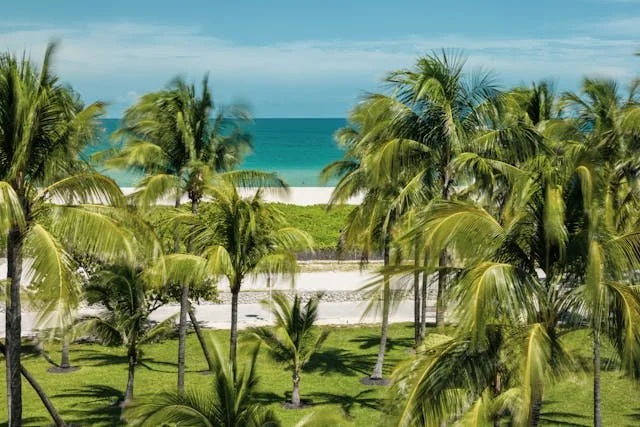
Rich Culture and History
Florida is one of the oldest continuously inhabited places in what is now the United States, and its history is far more complex than most visitors realize.
Indigenous Heritage: Long before Florida became a state, it was home to a remarkable variety of Native peoples. The Calusa, a powerful chiefdom based in southwest Florida, constructed elaborate shell mound complexes — some of which still stand today along the shores of Pine Island Sound. The Timucua people of north and central Florida left behind a rich archaeological record. After the forced removal of most original inhabitants, the Seminole and Miccosukee tribes — descendants of those who refused to leave — remain a vital presence in the state today. The Ah-Tah-Thi-Ki Museum on the Big Cypress Seminole Reservation is one of the finest tribal museums in the country and is well worth the drive.
Spanish Colonial Legacy: Florida was under Spanish colonial rule for long stretches between the 16th and 19th centuries, and that history is tangible in St. Augustine — the oldest continuously occupied European settlement in the contiguous United States, founded in 1565. Walk the narrow streets of its historic district, tour the Castillo de San Marcos (a fully intact 17th-century Spanish fort built from coquina, a shell-based stone quarried locally), and you'll encounter a version of American history that predates Jamestown by more than 40 years.
The Caribbean Influence: Perhaps no American city better reflects the Caribbean than Key West and Miami. Little Havana in Miami is a living neighborhood — not a museum — where the sounds, smells, and rhythms of Cuban culture have been present since the 1960s. Calle Ocho, the neighborhood's main artery, is lined with cigar shops, domino parks, and family-owned restaurants that have been feeding the same community for generations. Miami's Little Haiti and Little Managua neighborhoods tell equally layered stories.
Modern Day, Local Festival Favorites: Florida's local festival calendar is one of the most eclectic in the country. The Calle Ocho Festival in Miami, held each March, is one of the largest street festivals in the world. Carnaval Miami transforms the city into a celebration of Latin culture. In Apalachicola, the annual Florida Seafood Festival has been a beloved fall tradition since 1963. And in Cassadaga — a small Spiritualist community in central Florida founded in 1894 — the autumn Psychic Fair and Holistic Expo offers what might be the most uniquely Floridian experience of all.
Fantastic Culinary Scene
Florida's food culture is one of the most underestimated in the country. Getting to know it is one of the great pleasures of visiting the state.
Start with the Cuban sandwich — and know that there is genuine, spirited debate between Tampa and Miami over who makes it better. Tampa's version, developed by the Cuban and Spanish cigar workers of Ybor City in the late 19th century, includes Genoa salami, which Miami's version omits. Both are extraordinary. The sandwich is pressed flat, the pork is slow-roasted, and the pickles are non-negotiable.
Florida's seafood is exceptional and heavily regional. In the Panhandle, the thing to eat is Gulf oysters — and the raw bars along 30A and the Forgotten Coast near Apalachicola serve some of the finest in the world. Apalachicola Bay oysters, harvested from the cold, shallow bay fed by the Apalachicola River, have a briny sweetness that is entirely their own. In the Keys, stone crab claws — served cold with mustard sauce — are the local treasure, available from mid-October through May. In central Florida, fried catfish and mullet are working-class staples, often smoked and sold from trailers at roadside fish camps that operate on their own timetable.
Florida also grows exceptional produce that never quite makes it into the national conversation. Indian River citrus from the coastal groves along the Atlantic shore is a different experience from the orange juice you've been buying at the grocery store. Tupelo honey, harvested from the white tupelo trees flowering along the Apalachicola and Chipola Rivers each spring, is rare enough that dedicated beekeepers have been known to raise their hives on floating platforms to reach the blossoms.
For something that is purely and distinctly Floridian, try a Publix sub — a great sandwich from a regional grocery chain institution with a devoted following — or an authentic Cuban coffee from a ventanita (walk-up window) in Miami or Tampa. The café con leche and cafecito culture of South Florida is its own world.
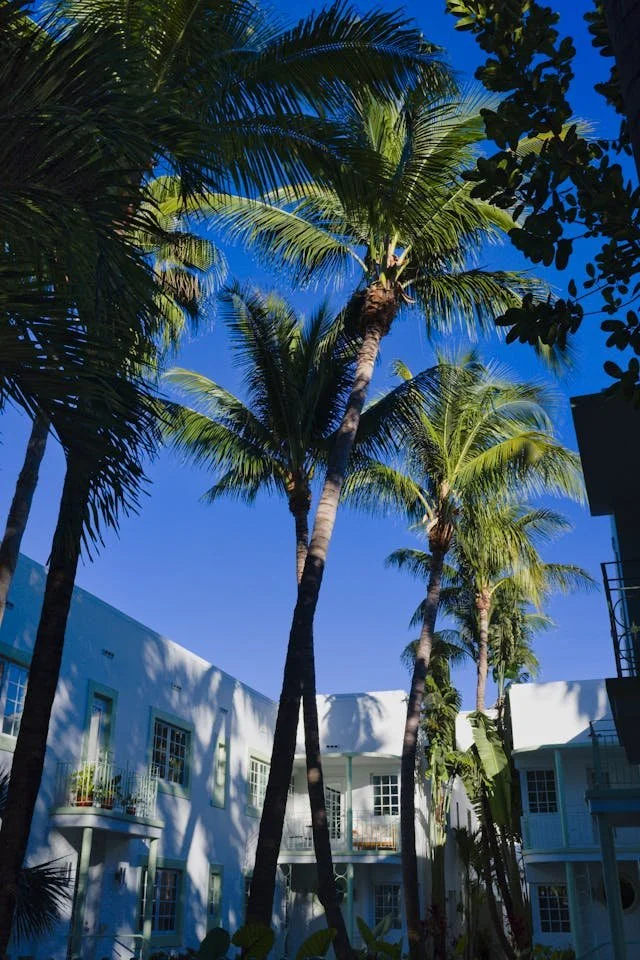
Community Spirit
Florida is one of the most diverse states in the country, and that diversity plays out differently depending on which part of the state you're in.
North Florida — particularly the stretch of small towns between Tallahassee and Jacksonville — has a slower pace and a culture more akin to the Deep South than to Miami. Towns like Monticello, Madison, and Quincy are built around courthouse squares, local diners, and deep-rooted community traditions that haven't changed much in decades. If you want to understand Florida as a place where people actually live, spend a few days in this part of the state.
The Space Coast — stretching from Titusville down to Melbourne along the Atlantic shore — carries the legacy of the Apollo era and the Kennedy Space Center with a genuine local pride. Residents here will tell you that watching a rocket launch from your backyard never gets old. They're right.
Cedar Key, a small island community on Florida's largely undeveloped Gulf coast, is one of the best-kept secrets in the state. Reachable only by a causeway, it's a former 19th-century pencil-manufacturing hub that never grew into a resort town and never wanted to. The clam farming here is the best in Florida. The pace is slow on purpose.
Florida has a reputation — not entirely undeserved — for transience. But the communities where people stay for generations, where families have been oystering or farming or fishing in the same waters their grandparents worked, have a fierce and specific sense of place that is one of the most underreported stories about this state.
Adventure and Freedom
Florida has been a place people came to reinvent themselves — or simply disappear — for as long as it has been a state. There is a particular freedom that comes from a place with no state income tax, 1,200 miles of coastline, and a climate that, for most of the year, means that whatever you want to do outside, you can.
You can wake up on a Saturday morning and dive a crystal-clear spring for fossils — Florida's rivers have yielded mammoth teeth, giant sloth bones, and mastodon tusks with astonishing regularity — and then drive 90 minutes to catch a minor league baseball game in a vintage ballpark before ending the night eating stone crab at an open-air restaurant with your feet still sandy from the afternoon.
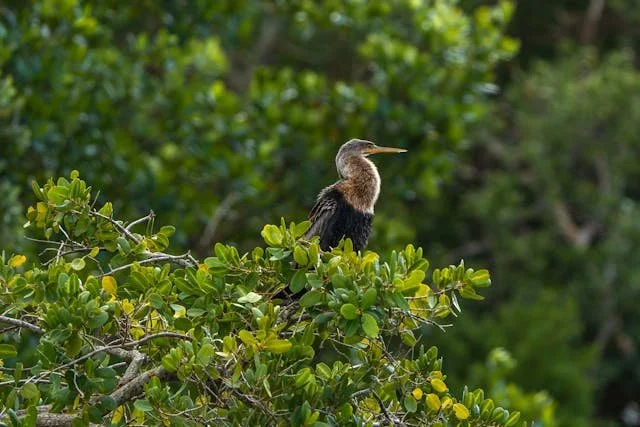
Challenges Facing Florida
Florida is a state confronting serious challenges that are impossible to discuss honestly without addressing.
Climate change and sea level rise are existential concerns in a state where roughly a third of the land mass sits within a few feet of sea level. The flooding of neighborhoods in Miami Beach, the erosion of barrier islands along the Gulf Coast, and the increasing intensity of hurricane seasons are not distant predictions — they are current realities. The National Oceanic and Atmospheric Administration has documented chronic tidal flooding in Miami that now occurs dozens of times per year.
The health of the Everglades remains precarious. Decades of agricultural runoff have introduced excess nutrients into the system, fueling harmful algal blooms that have damaged Lake Okeechobee and the estuaries connected to it. State and federal restoration efforts under the Comprehensive Everglades Restoration Plan are underway, but the work is slow and the ecosystem remains fragile.
Florida's explosive growth — the state adds roughly 1,000 new residents per day — is straining infrastructure, driving up housing costs across the state, and putting pressure on natural resources and rural communities that are not equipped to absorb rapid change. The same forces that drove people to Montana in 2020 have been reshaping Florida for decades, often at the expense of the very things that made it worth moving to.
And yet Florida persists — strange and resilient and stubbornly itself in ways that are hard to explain to people who haven't spent real time there.
Conclusion
Florida is a state I love, and I know I'm biased — I grew up there. But I also know the version of Florida that most people picture when they hear the name is only a sliver of the real thing. Whether it's the ancient quiet of the Everglades at sunrise, the briny cold of an Apalachicola oyster on a November afternoon, the lingering scent of jasmine on a warm night in a city block that has been speaking Spanish for 60 years, or the improbable beauty of a freshwater spring glowing turquoise in the middle of a pine forest — there is a Florida that has nothing to do with theme parks or traffic and everything to do with a place that is genuinely, wildly alive.
Bring sunscreen. And leave some time to get a little lost.

About Sebastian
Sebastian Keitel discovered the beauty of Montana while serving as an Evening News Reporter and Multimedia Journalist for ABC FOX Montana. A freelance Play-by-Play Broadcaster, since 2023 he has rotated between play-by-play and color commentary positions with SWX Montana covering college and high school basketball, soccer, and volleyball. Learn more about him here.